
Small Tire Pressure Adjustments Can Change the Way a Mountain Bike Handles the Trail
Many mountain bikers spend time researching suspension settings, tire tread patterns, and component upgrades, yet tire pressure often has an immediate influence on how a bike performs. A difference of only a few pounds per square inch can completely change how the bike feels on the trail.
What makes tire pressure particularly important is its ability to affect multiple aspects of riding at once. Grip, rolling efficiency, comfort, cornering confidence, and control are all tied to tire pressure. Finding the right balance is less about choosing one perfect number and more about matching conditions, terrain, and riding style.
Traction Begins Where the Tire Meets the Ground
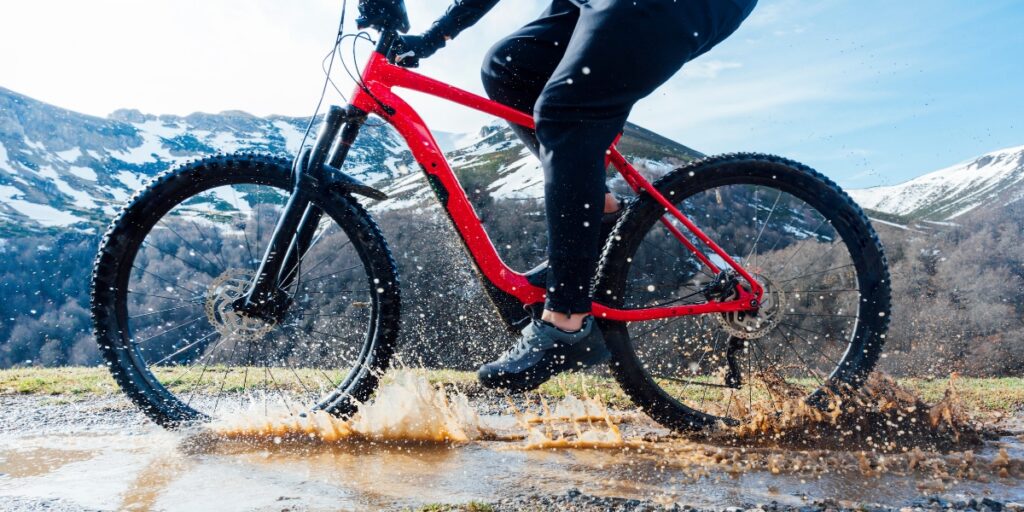
Traction is often the first thing riders notice when tire pressure is not properly matched to the trail. Lower pressures generally allow the tire to conform more closely to rocks, roots, and uneven surfaces, creating a larger contact patch between the tire and the ground.
This increased contact often improves grip on climbs, in corners, and in technical sections. Riders frequently notice the difference when navigating loose terrain, where maintaining traction can make a section feel controlled or unpredictable. Too much pressure can reduce the connection to the trail, making the bike feel less planted.
Rolling Resistance Changes with Pressure
While lower pressures can improve traction, they also influence rolling efficiency. A tire that deforms more as it rolls creates additional resistance, particularly on smoother surfaces where grip is less of a concern.
Higher pressures often feel faster on hard-packed trails, gravel roads, and smoother sections because the tire rolls more efficiently. The challenge arises when riders put too much pressure on themselves in pursuit of speed. A tire that rolls quickly but struggles for grip can ultimately make technical terrain slower and more difficult to ride confidently.
Comfort and Control Are Closely Connected
Mountain bike tires act as part of the bike’s overall suspension system. When pressure is adjusted appropriately, tires absorb small impacts before those forces are transmitted to the rider’s hands, feet, and body. It can create a noticeably smoother ride, especially on rough terrain.
Comfort and control often improve together. A bike that feels less harsh allows riders to stay relaxed and maintain better positioning through technical sections. Instead of bouncing across obstacles, the tires help the bike maintain a more consistent connection with the trail surface.
Different Trails Often Require Different Approaches
No single tire pressure works perfectly for every trail. Rocky terrain may benefit from slightly lower pressures to improve grip and compliance, while smoother and faster trails may feel better with slightly firmer settings. Rider weight, tire width, and weather conditions also influence the ideal setup.
Experienced riders frequently make small adjustments depending on where they plan to ride. A trail network filled with roots and technical features creates different demands than a route dominated by hard-packed singletrack. Learning how pressure affects handling helps riders adapt more effectively to changing conditions.
Common Mistakes Can Limit Performance
One of the most common mistakes is assuming that higher pressure automatically means better performance. While firmer tires can feel fast initially, excessive pressure often reduces traction and creates a harsher ride. The bike may skip across obstacles rather than tracking smoothly through them.
Another frequent mistake is failing to adjust tire pressure. Conditions change throughout the year, and the setup that feels perfect on one trail may not work as well elsewhere. Taking a few minutes to experiment can reveal noticeable improvements in handling and comfort.
For detail-oriented mountain bikers like Steven Rindner, tire pressure represents one of the simplest yet most effective adjustments available. Understanding how it influences traction, rolling resistance, comfort, and control enables riders to get more from their equipment and adapt confidently to a wide range of trail surfaces.