
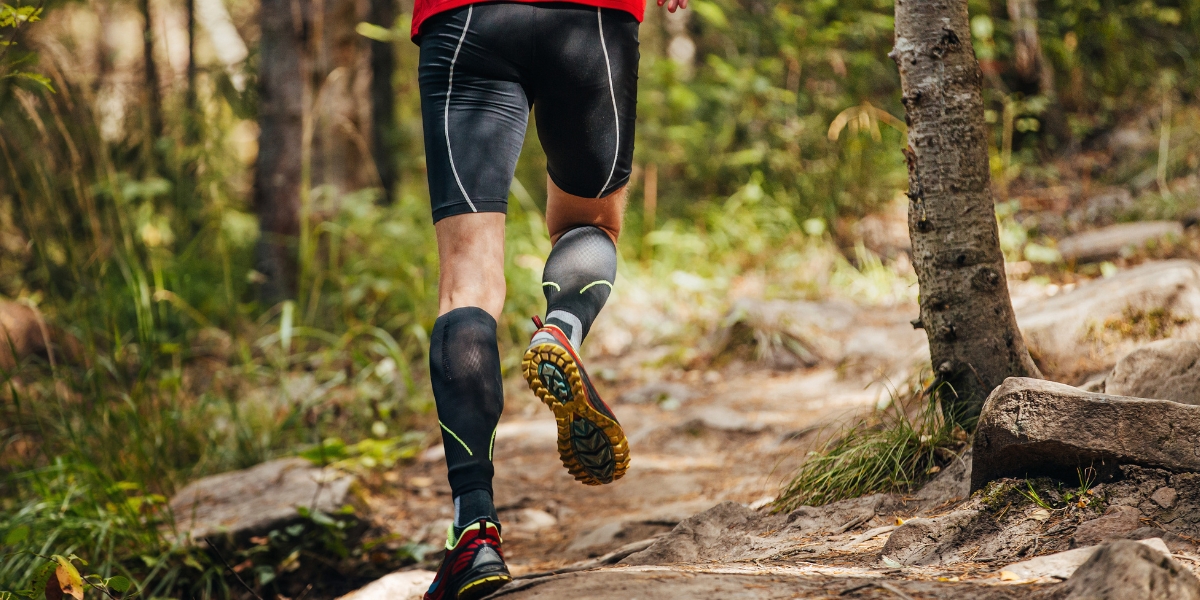
The Right Trail Running Socks Can Make a Bigger Difference Than Many Runners Expect
Trail runners spend a great deal of time choosing shoes, hydration systems, and clothing, yet socks are often treated as an afterthought. That can be surprising considering how much influence they have on overall comfort during a run. A poorly matched sock can quickly turn an enjoyable outing into a frustrating experience, especially when weather and terrain begin to challenge foot comfort.
Unlike road running, trail conditions can change dramatically within a single run. Dry dirt may turn to mud, creek crossings can leave feet soaked, and temperature swings can affect moisture levels throughout the day. Because of this, sock selection often becomes less about personal preference and more about matching conditions effectively.
Material Choice Shapes How Socks Perform
The fabric used in a trail running sock directly affects how it handles moisture and temperature. Merino wool remains a popular option because it performs well across a wide range of conditions. It helps manage moisture while remaining comfortable when temperatures fluctuate throughout the day.
Synthetic blends are another common choice, particularly for runners who prioritize quick drying performance. These materials often move moisture away from the skin and can feel lighter in warmer conditions. The best choice usually depends on terrain type, expected weather, and individual comfort preferences, rather than on any single material being universally better than another.
Cushioning Needs Change with Terrain and Distance
Not every trail run demands the same amount of cushioning. Shorter runs on smoother trails may feel perfectly comfortable with thinner socks that maximize ground feel and responsiveness. Longer outings or rocky terrain often create different demands where additional cushioning can help reduce pressure over extended periods.
Finding the right balance becomes important. Excessively thick socks can create unnecessary warmth and reduce shoe fit precision, while socks that are too thin may provide less protection on technical terrain. Many experienced trail runners eventually build a small collection of options suited for different types of outings.
Moisture Management Matters in Every Season
Wet feet are not limited to rainy weather. Sweat, humidity, stream crossings, and changing temperatures can all contribute to moisture buildup during a run. Once moisture becomes trapped inside a shoe, friction increases, which can lead to discomfort and hot spots over longer distances.
That is where moisture-managing fabrics earn their value. Socks that move moisture effectively help maintain a more stable environment around the foot. While no sock can eliminate moisture during difficult conditions, the right materials can significantly improve comfort as the miles add up.
Sock Height Can Be More Important Than It Appears
Sock height is often viewed as a style choice, but trail conditions can make it a practical consideration. Lower-cut socks may work well on clean, well-maintained paths, but technical trails often introduce dirt, gravel, brush, and debris that can get into shoes.
Crew height socks have become increasingly popular among trail runners because they provide additional protection around the ankle and lower leg. This extra coverage can help reduce irritation from vegetation and minimize the amount of trail debris entering the shoe during longer outings.
The Best Choice Depends on the Conditions Ahead
Trail running rarely offers the same environment every time. Weather changes, terrain varies, and different routes create different demands on equipment. Socks that perform exceptionally well during a dry summer run may not be the ideal choice for muddy trails or colder conditions later in the year.
For practical outdoor runners, including Steven Rindner, selecting trail running socks often comes down to understanding the environment rather than following a single formula. Materials, cushioning, moisture management, and sock height all work together to create comfort, helping runners stay focused on the trail rather than their feet.