
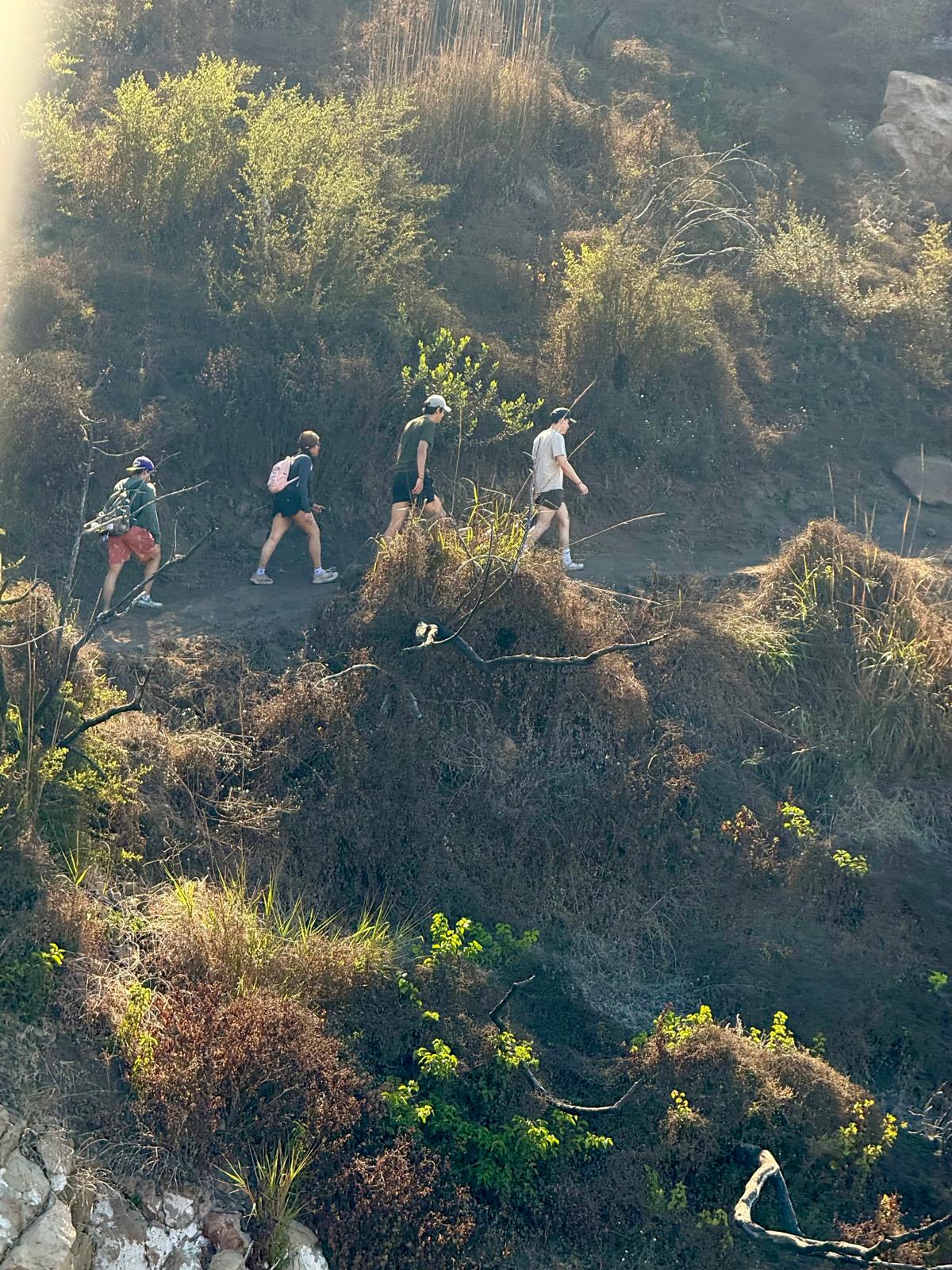
Dressing for Two Climates in One Workout Around Los Angeles
A workout that starts on the coast and finishes inland can pass through a twenty-degree spread without traveling far. Gray overcast and a damp breeze at the trailhead, direct sun and dry heat four miles later, then cooler air again on the return. Anyone who has stood in a parking lot in Pacific Palisades at seven in the morning, wondering whether to keep the long sleeve on, knows the problem.
Guessing badly has real consequences. Overdress and the inland section turns into a heat management exercise with a wet layer trapped against the skin. Underdress, and the first twenty minutes are spent cold and stiff on a coastal bluff with the wind coming straight across. The practical answer is a small system of pieces that each handle one part of the range.
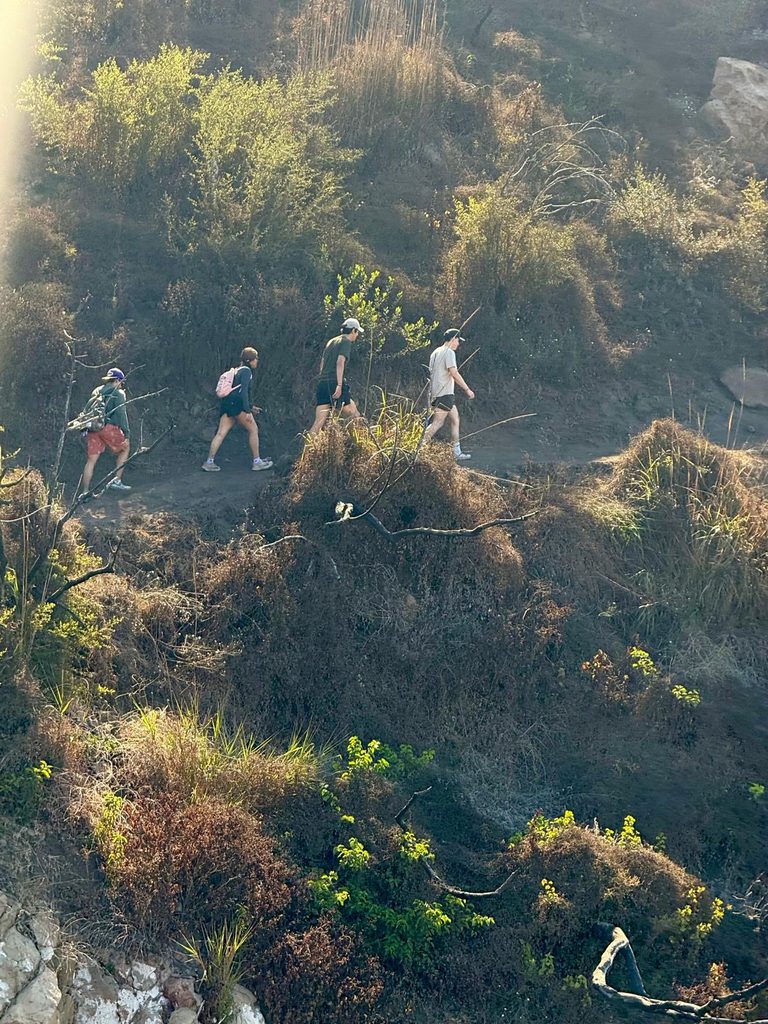
Start with What Sits Against the Skin
The base layer does most of the work in a climate with these variables. Polyester, nylon, and merino blends move moisture off the skin and keep drying through a session, which matters more here than warmth does. Cotton behaves the opposite way, holding sweat and staying heavy, and it becomes genuinely uncomfortable once a cool marine breeze hits a soaked shirt at the turnaround.
Weight and fit deserve thought, too. A slightly looser cut moves air across the skin, which helps once the sun comes out, while a closer fit works better under a pack or a hydration vest, where bunching causes chafing. Merino handles multi-hour efforts well because it resists odor and stays comfortable, damp, though synthetics dry faster in dry inland air, which is why many people keep both in rotation depending on the route.
Sun Coverage Beats Skin Exposure Inland
Coastal fog gives a false sense of security, since ultraviolet radiation passes through cloud cover, and most Los Angeles routes eventually leave the fog behind. A lightweight long sleeve in a loose weave with a UPF rating often feels cooler on an exposed ridge than bare arms and sunscreen, because it blocks radiant heat while still breathing. Light colors help, and so do sleeves cut wide enough to allow airflow.
Head and eyes need their own plan. A running cap with a mesh panel or a cycling cap under a helmet handles sweat and glare, and a wider brim makes sense on long, exposed sections. Sunglasses matter more than they seem to, since squinting for two hours is tiring, and dust on a canyon descent or a coastal wind full of grit both argue for lenses with decent coverage. Interchangeable or photochromic lenses handle the transition from dim marine light to full sun without a swap.
A Packable Shell Solves the Morning
The most useful item for this kind of day is a wind layer that disappears when it is not needed. A shell weighing a few ounces, one that stuffs into its own pocket or a jersey pocket, covers cool bluff wind, a foggy start, and the chill of a descent after a sweaty climb. Full waterproofing is rarely necessary outside of winter storms, and it usually costs breathability.
Fit determines whether it gets carried at all. Riders want something cut long enough in the back to stay put in a riding position, with sleeves that clear the bars. Runners do better with a trim cut and a stowable hood that does not flap. Arm warmers and a lightweight vest deserve mention as alternatives, since both can come off mid-effort and pack down small, and a vest handles wind on the chest while leaving the arms free to dump heat.
Ventilation and Small Adjustments Carry the Rest
Clothing that adapts without a full change makes a variable day much easier. Front zips that open halfway, mesh panels under the arms and across the back, and shorts with liners that dry quickly all help manage temperature on the move. Gloves for riders benefit from being thin enough to stuff into a pocket once the air warms.
Socks and shoes come into it as well, since a light merino or synthetic sock handles both a damp coastal start and a hot dusty finish better than anything heavy. For active runners and riders such as Steven Rindner, the pattern that develops over enough seasons is a short list of reliable pieces chosen with the inland half of the route in mind, plus one layer that can be shed at the top of the first climb and forgotten about until the way home.