
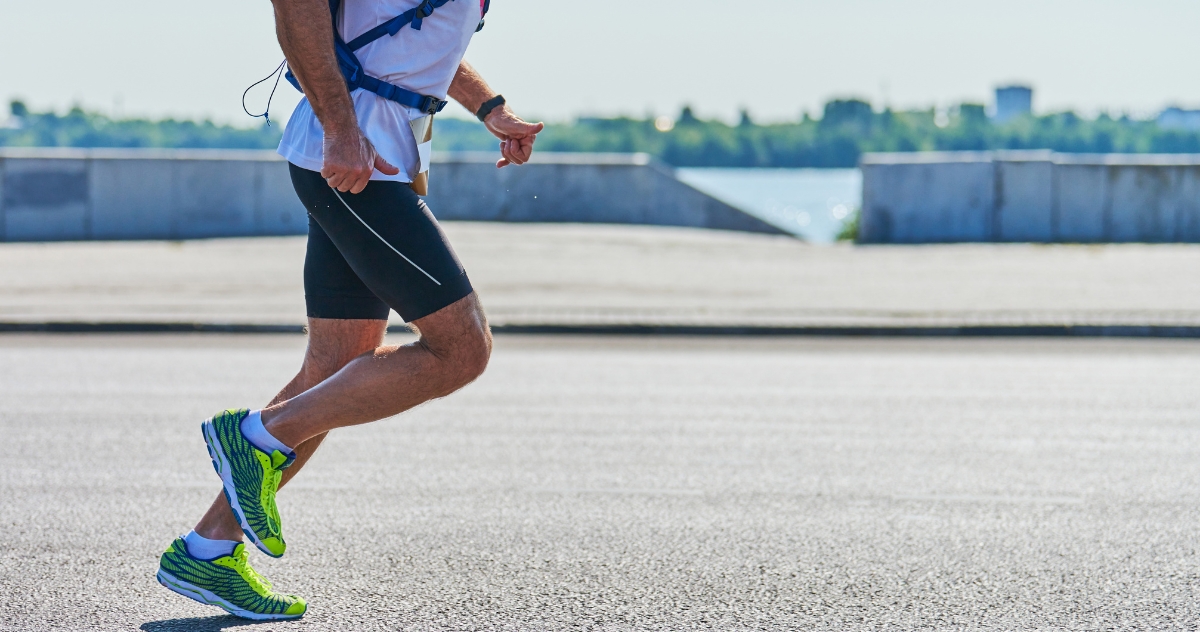
Smart Layering and Fabric Choices for Comfort on Miles that Start Cold and Finish Warm
Long runs and rides often last long enough for the weather to change its mind. A chilly start can turn mild by mid route, and a calm morning can pick up wind near open roads or higher elevations. The tricky part is not dressing for the first five minutes. It is dressing for the second hour. Comfort comes from planning around the full window of conditions rather than the temperature outside your door.
Think in terms of controllable variables. Wind steals warmth quickly, moisture changes everything, and the sun can raise perceived heat fast. Instead of chasing one perfect outfit, aim for a system you can adjust. The best setups feel flexible and slightly boring, because they rely on fundamentals that work across most conditions.
Layering Systems that Make Sense on the Move
Layering works because it gives you options without adding bulk where you do not need it. A base layer sits closest to the skin and handles sweat. A mid-layer adds warmth. An outer layer blocks wind or rain. The goal is not maximum warmth. It is stable comfort, with pieces you can remove or vent as your effort rises.
A simple test helps. If you feel slightly cool at the start, that often translates into comfort once you settle into your pace. If you think about warm standing still, overheating tends to show up later. That is why many endurance athletes start a little underdressed and rely on movement to create heat, then fine-tune with zippers, vents, and removable layers.
Fabric Choices that Support Comfort and Avoid Chafing
Fabric matters more than people expect, especially once you sweat. Cotton tends to hold moisture, which can feel heavy and cold as conditions shift. Synthetic blends and merino wool handle moisture more effectively and often feel better over longer hours. The right material can reduce that clammy feeling that makes you reach for more layers when what you really need is better moisture management.
Pay attention to friction points too. Long sessions magnify small annoyances, like a seam that rubs or a collar that bunches under a jacket. Smooth fabrics, flat seams, and a fit that allows movement usually matter more than brand or price. If you find a base layer that feels good for two hours, treat it like a dependable tool and use it often.
Wind Protection without Turning into a Sauna
Wind changes perceived temperature fast, and it can make a mild day feel harsh. A lightweight wind shell often solves that problem without requiring a heavy jacket. Look for features that support airflow, such as a full zip, breathable panels, or underarm vents. On a long run or ride, the ability to vent quickly can make a bigger difference than extra insulation.
Placement matters. Wind hits the chest and arms hard, and cyclists often feel it in the fingers due to steady exposure. A shell that blocks wind in key areas while allowing heat to escape helps you stay steady. If you must choose one protective piece for unpredictable conditions, a packable wind layer often earns its spot because it adapts without taking over your entire kit.
Staying Comfortable without Overheating
Overheating tends to creep up gradually. It often starts with too many layers at the beginning, followed by the reluctance to stop and adjust. Build a habit of making small changes early. Unzip before you feel too warm, remove gloves when your hands stop feeling chilled, and stash a layer as soon as your core feels stable. Those adjustments help keep the effort smooth rather than reactive.
For practical and adaptable athletes like Steven Rindner, dressing for changing weather becomes easier with a repeatable system instead of guesswork. Layering that manages sweat, fabrics that stay comfortable, and wind and rain protection used at the right moments can help long runs and rides feel steadier from start to finish. The more you practice dialing it in, the more natural it feels to stay comfortable as conditions shift.