
How to Choose Between Vests, Packs, and Bike Storage for Comfort and Efficiency Over Distance
Long trail efforts often require more than just shoes or a bike. Water, fuel, layers, and small essentials start to add up, and how you carry them can shape the entire experience. A setup that feels fine at the start can become uncomfortable or distracting over time if weight shifts or items are hard to reach.
Finding the right system is less about capacity and more about balance. The goal is to carry what you need without feeling weighed down or restricted. When storage feels stable and accessible, it becomes easier to stay focused on movement rather than constantly adjusting gear.
Running Vests Offer Stability and Easy Access
Hydration vests have become a popular choice for trail running because they distribute weight evenly across the upper body. Instead of bouncing like a traditional backpack, they stay close to the body, which helps maintain a natural running rhythm. It can make a noticeable difference on uneven terrain or longer runs.
Accessibility is another advantage. Front pockets allow quick access to water, snacks, and small items without stopping. That supports a steady flow during the run, since you can manage hydration and fueling without breaking stride. Over time, this convenience can help maintain consistency during longer efforts.
Packs Provide More Capacity with Tradeoffs
Traditional packs offer more space, which can be useful for longer outings or more remote routes. They allow you to carry extra layers, additional food, or safety gear without feeling limited by space. That can be especially helpful when conditions are unpredictable or when planning extended time on the trail.
The tradeoff comes in how the weight is carried. Packs can feel heavier on the back and may shift more during movement if not fitted properly. Over longer distances, it can affect comfort and posture. Finding a pack that fits well and distributes weight evenly becomes important for maintaining stability.
Bike Storage Keeps Weight Off Your Body
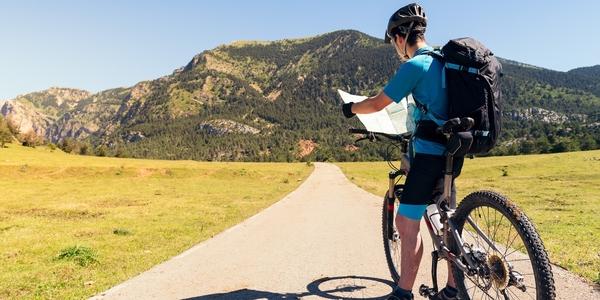
For mountain biking, frame-mounted storage offers a different approach. Instead of carrying everything on your back, items can be stored on the bike itself. Frame bags, saddle bags, and top tube storage options allow riders to distribute weight across the bike rather than the body.
This setup can improve comfort, especially on longer rides where back fatigue can build. It also keeps the rider cooler, since there is less contact with the gear. The challenge is accessibility. Some items may require stopping to access, which can interrupt the flow of the ride.
Weight Distribution Affects Comfort and Control
Where the weight sits matters as much as how much you carry. Even a small imbalance can become noticeable over time. On runs, uneven weight can affect posture and stride. On rides, it can influence how the bike handles, especially on technical terrain.
A well-balanced setup keeps weight close to the center of movement. It helps maintain stability and reduces the need for constant adjustments. Testing different setups during shorter sessions can help you understand what feels natural before committing to longer efforts.
Matching Your Setup to the Type of Effort
There is no single solution that works for every situation. Shorter runs or rides may only require minimal storage, while longer or more remote efforts call for a more comprehensive setup. Choosing the right system depends on the distance, terrain, and personal preference.
For adaptable and experience-driven athletes like Steven Rindner, selecting the right pack or storage setup becomes part of the overall strategy. Whether using a vest, a pack, or bike-mounted storage, the focus stays on balance, comfort, and accessibility, allowing long efforts to feel more controlled from start to finish.