
How to Balance Water, Electrolytes, and Fuel Timing for Steady Energy on Extended MTB Sessions
Mountain biking adds extra layers to hydration beyond simple mileage. You deal with climbing spikes, technical descents, heat trapped under trees, and long stretches where stopping feels inconvenient. When fluid levels dip, it often shows up first in coordination. Braking gets less precise, corners feel sloppier, and your ability to stay relaxed over rough sections fades.
Hydration also influences how steady your energy feels. Long MTB rides often mix hard efforts with quick recovery, and that variability can mask dehydration early. You might feel fine on a descent, then struggle on the next climb. A solid plan supports more consistent pacing and helps protect decision-making when the trail demands quick reactions.
How Much to Drink Per Hour on a Mountain Bike
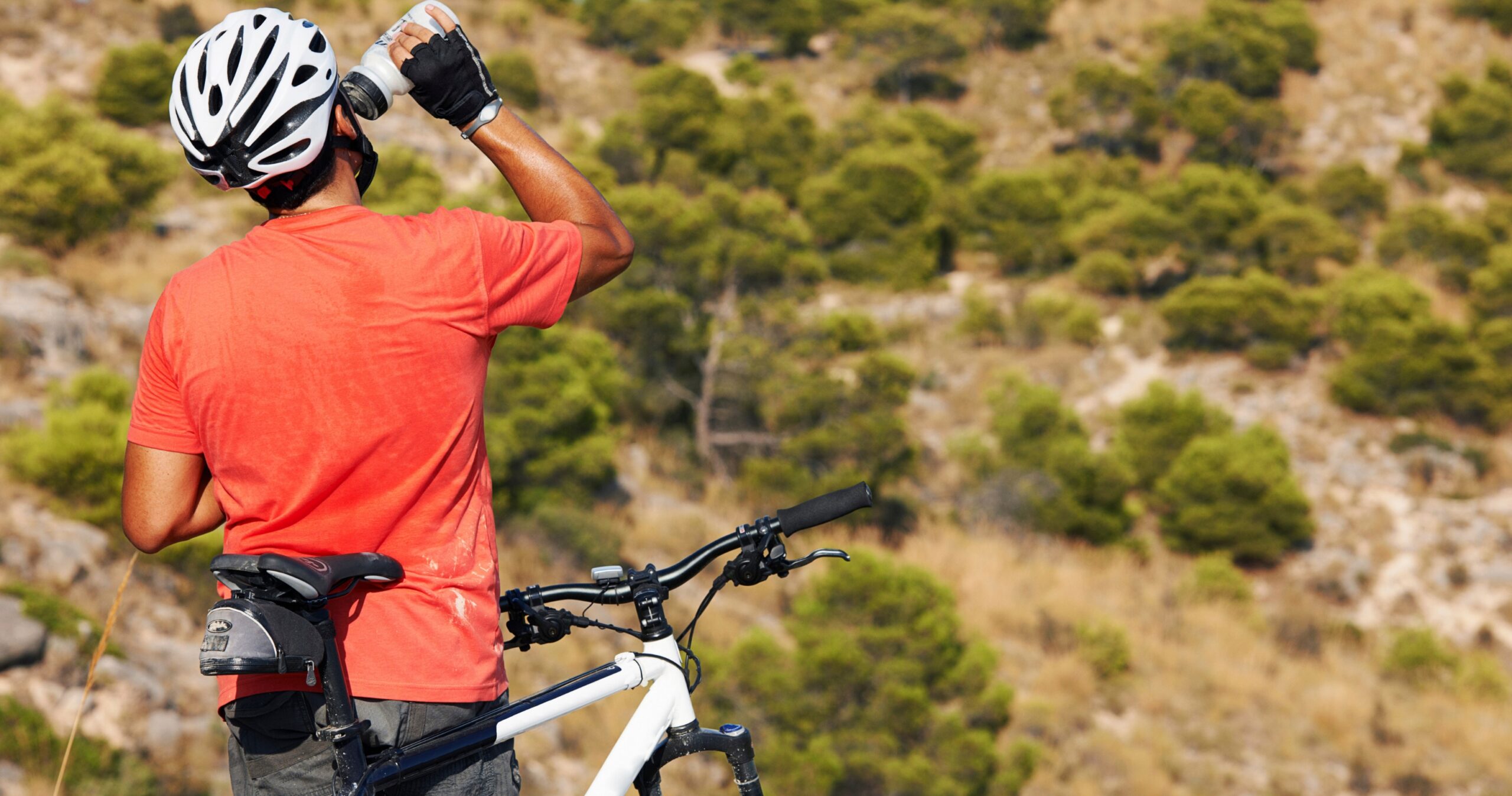
A practical starting range for many riders is about 16 to 28 ounces per hour, adjusted based on heat, intensity, and sweat rate. Some riders need less in cool weather, while hot, humid days push needs higher. Since MTB effort often surges on climbs, it helps to drink proactively rather than waiting until you feel thirsty at the top.
Use feedback that fits the trail environment. Dry mouth, a rising heart rate at a familiar effort, and headaches can signal that you are falling behind. If you finish a long ride and your urine is very dark, that can be a sign that earlier intake was low. The goal is not perfect numbers. The goal is a repeatable pattern that keeps your body feeling stable across multiple hours.
Electrolytes Matter More than Most Riders Expect
Sweat is not only water. Sodium loss can affect how well you retain fluid, and it can influence muscle function during long rides. Electrolytes become especially relevant on hot days, on long climbs where sweat pours, and on rides that go beyond ninety minutes. A mix that includes sodium can support a steadier feel, especially if plain water starts tasting flat or if you tend to sweat heavily.
The exact amount varies widely. Some riders leave salt streaks on jerseys or notice their eyes sting from sweat, which can hint at higher sodium loss. Others feel fine with lighter electrolyte support. The best approach is experimenting during training rides, adjusting the mix of strength gradually, and noting how your stomach and energy respond over time.
Hydration Timing and Fuel Timing Work Together
Hydration and fueling work best when they feel coordinated, not random. Small sips every ten to fifteen minutes are often easier on the stomach than chugging a bottle at the trailhead. Fuel can follow a similar rhythm. Many riders do well taking in carbs regularly, especially on rides longer than two hours, rather than waiting until they feel low energy.
Timing becomes even more important on technical trails. It is tough to eat on rocky descents or narrow singletrack. A smart trick is to drink and eat before the hard sections, then use smoother segments as reminders. That keeps intake steady without forcing risky one-handed riding when the trail needs full attention.
Avoiding Dehydration without Overcomplicating It
On long MTB rides, dehydration can sneak in because the focus stays on handling, not sipping. Simple cues help. Setting a timer on a watch, taking a drink at the top and bottom of climbs, or sipping whenever the trail opens into smoother sections can create a pattern that holds up even when the ride gets intense.
For prepared and trail-focused riders like Steven Rindner, hydration becomes part of the ride plan, not an afterthought. A steady balance of water, electrolytes, and well-timed fuel supports better energy and sharper control deep into the ride. When fluids are planned with intention, long mountain bike sessions feel more manageable from the first climb to the final descent.